
Measuring what shoppers do – NOT
what they say they do.
TBS measures the decision directly. A controlled environment, eye tracking, behavioural observation, and a cognitive science layer — capturing what happens at the moment of choice, and why.

Understanding how people decide – before they decide.
We use neuroscience and behavioural science to help brands predict, shape, and strengthen consumer decision-making.
Four layers. One evidence base.
A survey captures what people say. Analytics capture what they did, in aggregate. Neither explains the decision itself.
TBS works across four layers that build on each other:
The environment
Attention
Behaviour
Interpretation
No single layer is enough on its own. Together, they show you what no one tool can.
Digital Store Sandbox
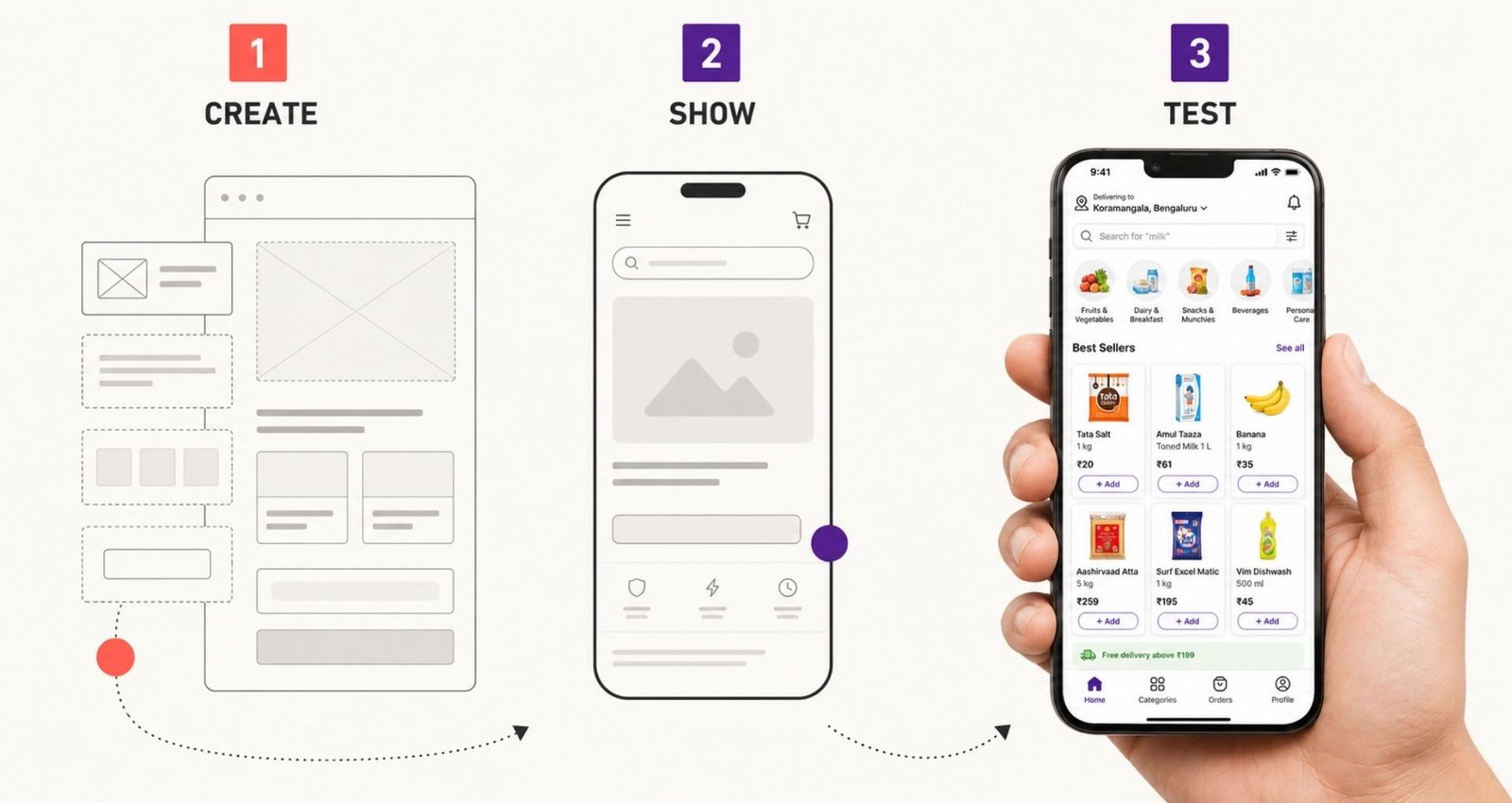
A controlled copy of any platform — behaviour stays real, every variable is yours.
Amazon, Myntra, Nykaa, Flipkart, and Blinkit do not let outsiders run tracking on their live platforms. And even if they did, a live platform keeps changing — prices, competitors, stock. You cannot measure cleanly on a moving target.
The Sandbox solves both problems. We build an exact copy of the target platform and drop your product into it. To the shopper, it looks like the real store. For us, every variable is fixed — so any change in behaviour points to the thing being tested, not to noise.
What it gives you
A/B testing where only the tested element changes
It answers
How does my listing do against the competitors next to it?
Which version holds attention and moves shoppers to cart?
Where do shoppers drop off before deciding?
Platforms
Amazon India · Myntra · Nykaa · Flipkart · Blinkit · Zepto · Swiggy Instamart · D2C · Social commerce
Eye Tracking
Where a shopper looks is the best clue to what they will buy.
TBS captures this in the browser, using the shopper’s own phone or laptop camera. No special hardware. No lab.
We capture
Fixations
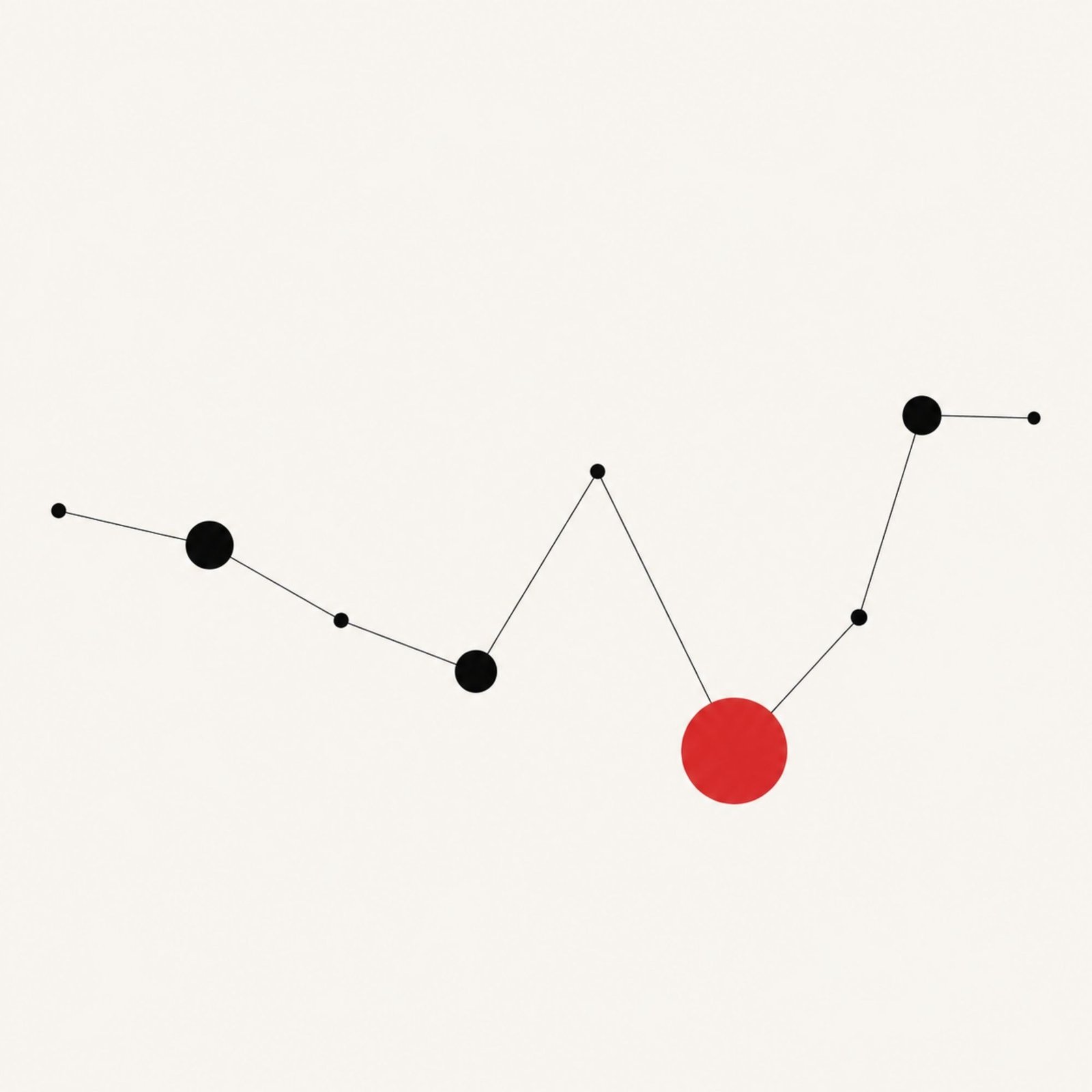
Where the eye settles, and for how long. Longer means deeper attention; quick skipping means they are filtering it out.
Order
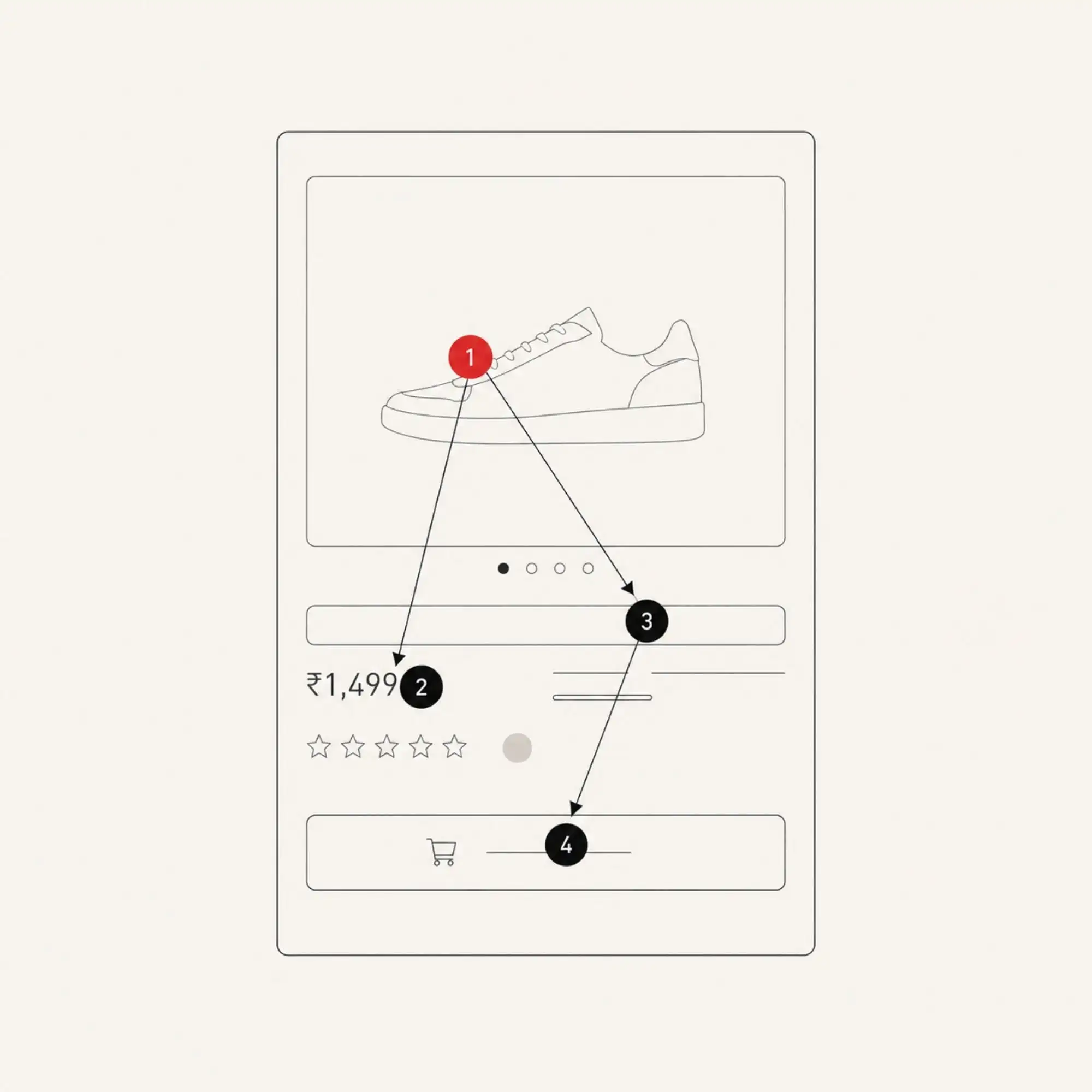
What they see first, what they reach last, what they never reach.
Heatmaps
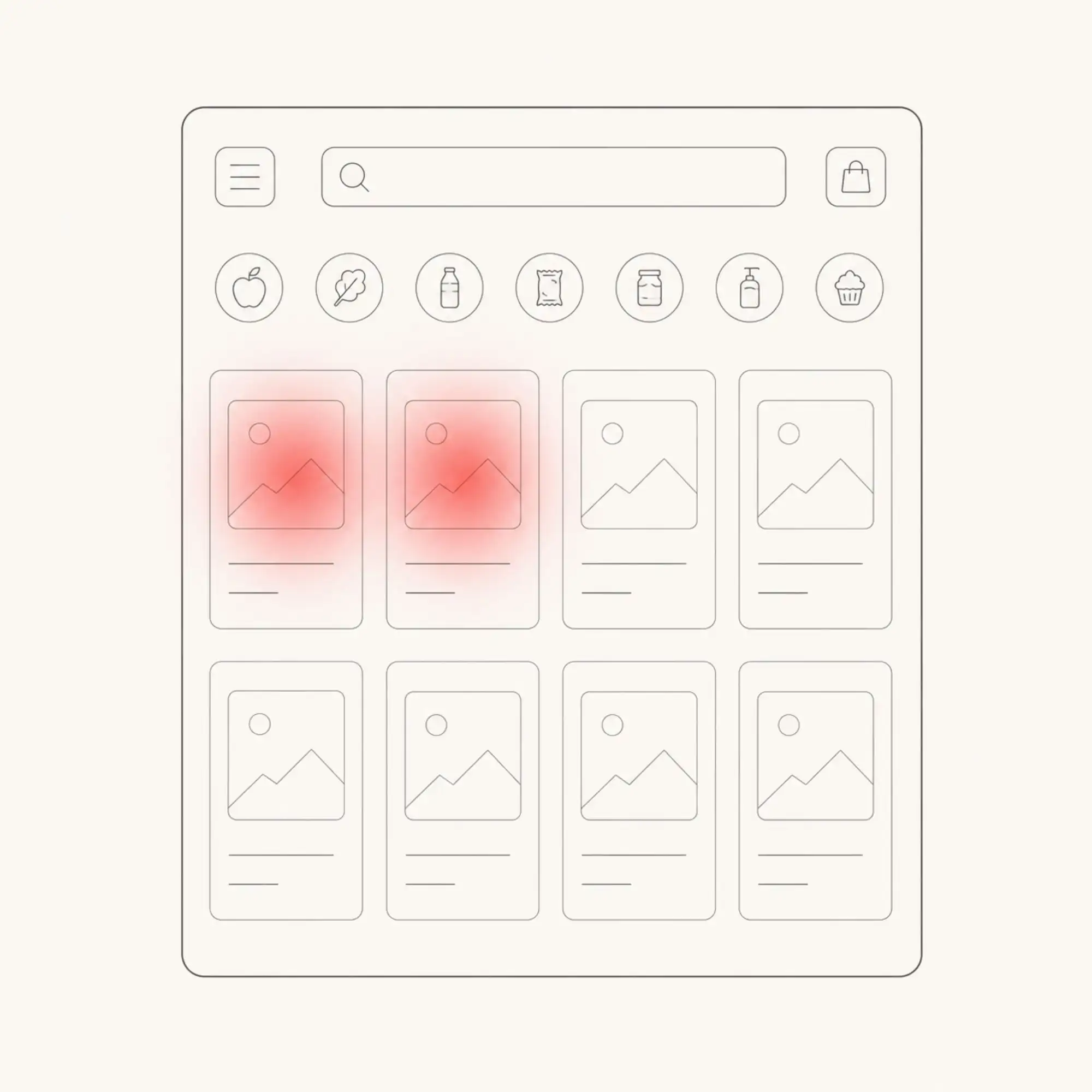
What pulls the eye, and what gets ignored.
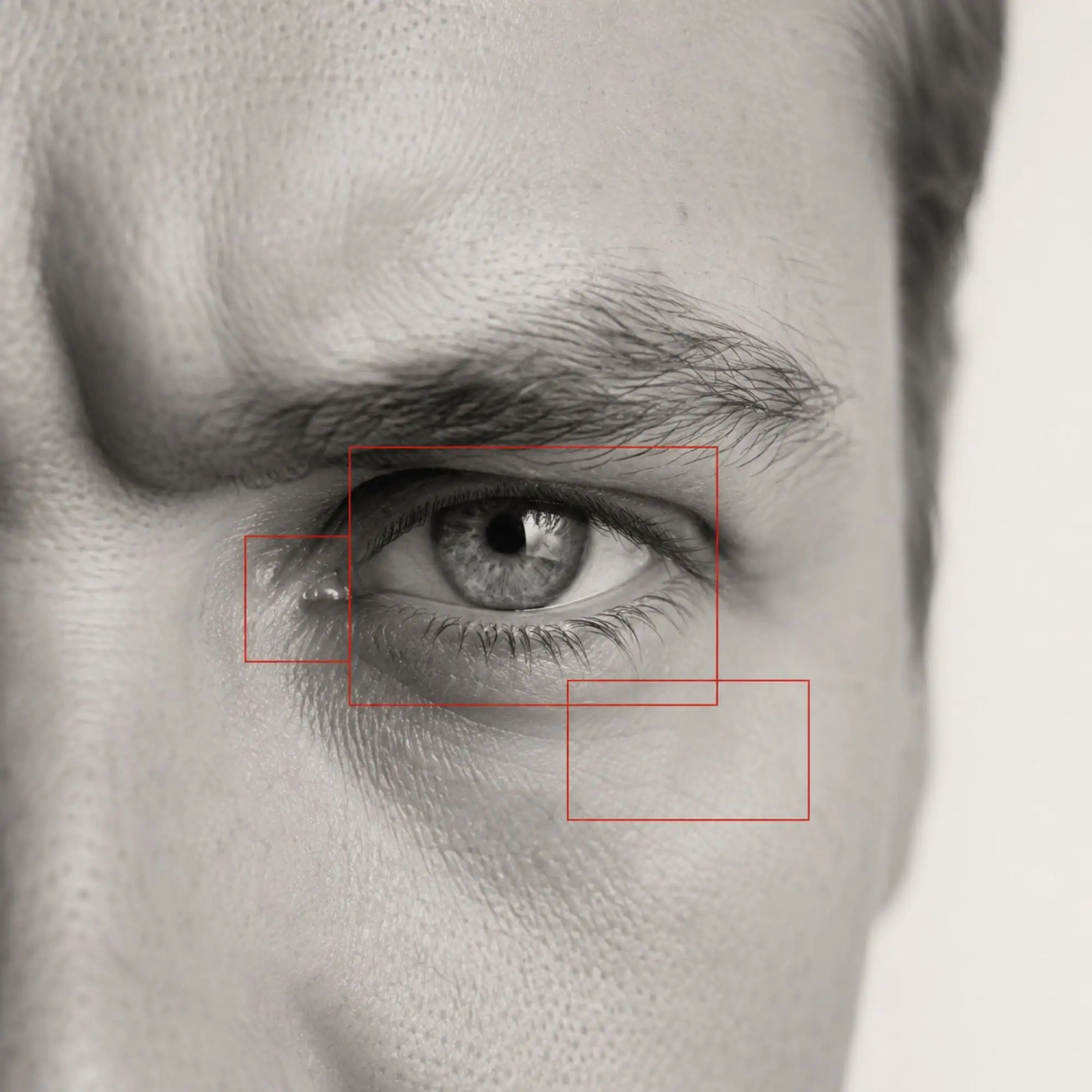
Areas of Interest
Attention measured on the image, price, reviews, CTA, and claims.
An honest note on accuracy
This is not lab-grade infrared eye tracking, and we do not pretend it is. It is less precise, and it depends on lighting and camera quality.
That is why we run controlled sessions, design our test areas accordingly, and check the quality of every session before we use it.
Within those limits, it reliably shows what matters — what gets seen, in what order, and what gets ignored. Claiming more precision than that is how research loses its value.
Devices
Observation & Qualitative Methods
Attention shows where they looked. Observation shows what they did. Talking shows what they were thinking.
Behavioural observation
Real shoppers, matched to your buyer profile, watched as they decide. We note where they pause, re-check, hesitate, or leave — behaviour as it happens, not as it is explained away later.
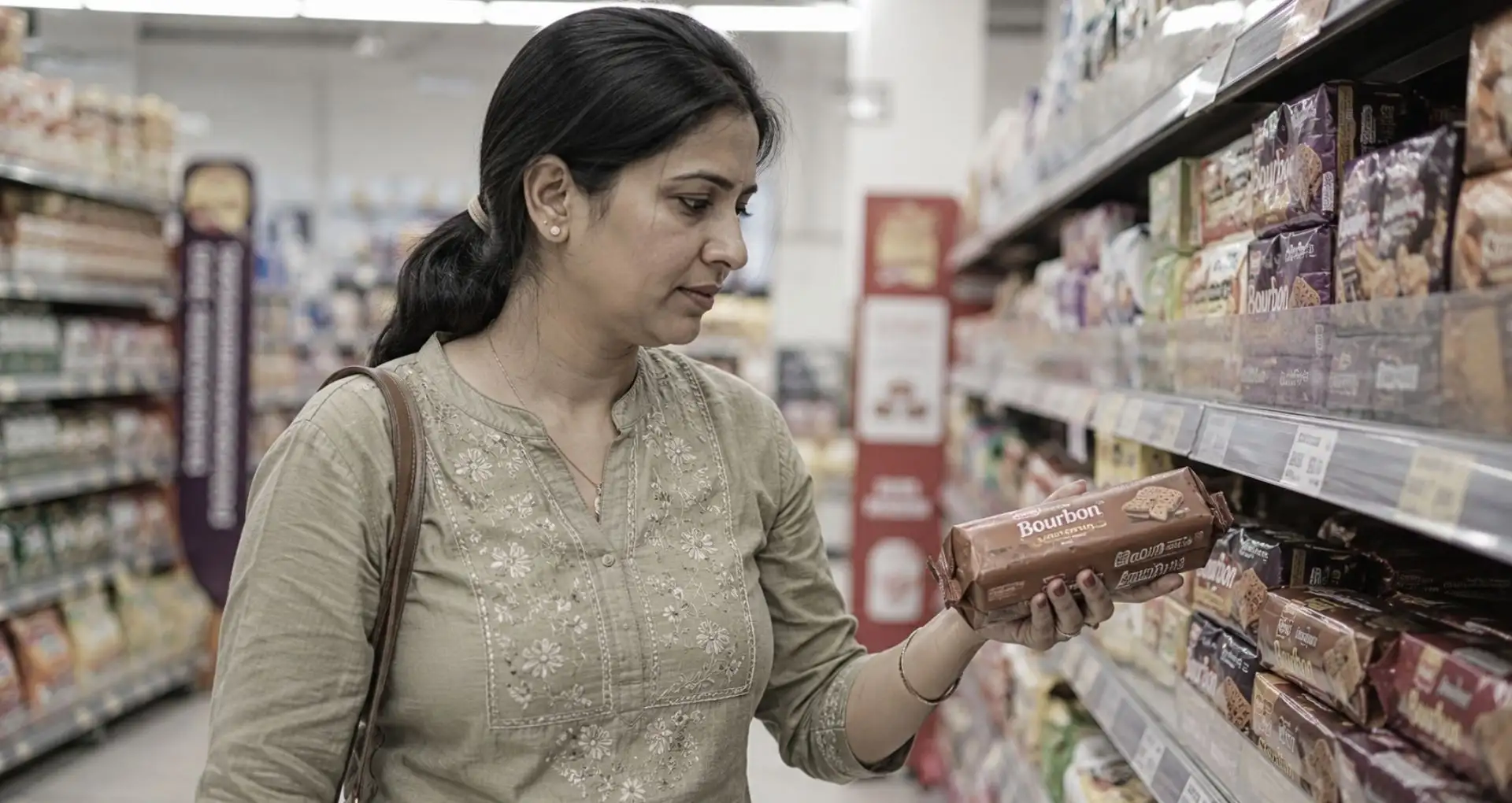
Think-aloud
Shoppers say what they are thinking as they shop. This brings out the live doubts and comparisons that a survey afterward would miss.
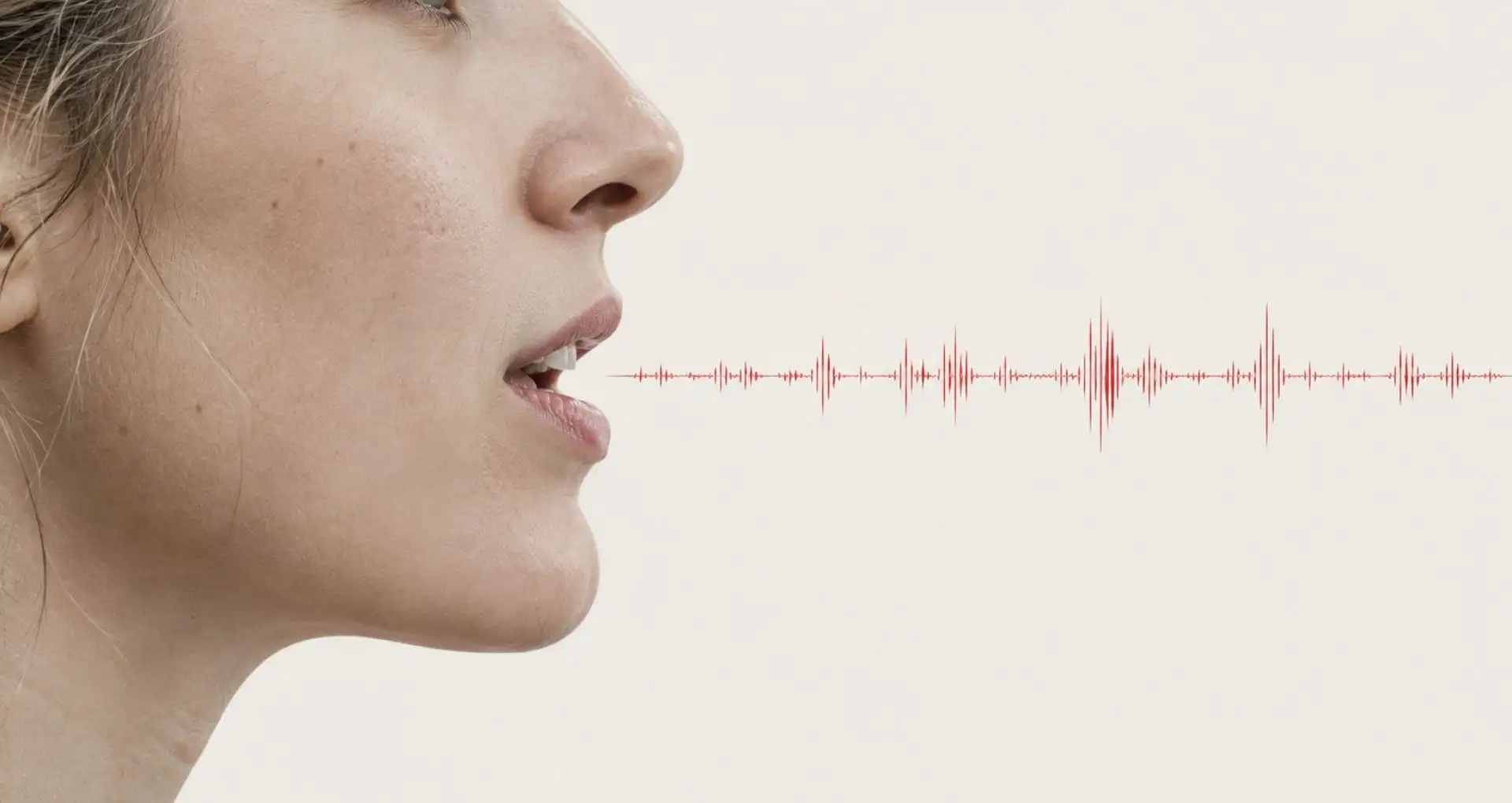
In-depth interviews
Done right after the task, while it is still fresh. Observation shows what happened; the interview shows the reason behind it. 6–12 shoppers per group, 45–90 minutes each.
Ethnographic / in-context
For decisions that play out across channels or over days, we observe shoppers in their real setting — at home, on their own devices. This is how cross-channel and repeat-purchase behaviour become visible.

Surveys & Structured Measurement
The explicit layer — what shoppers can consciously report, captured rigorously.
TBS uses surveys to complement the behavioural data — never to replace it. The sharpest insight often sits in the gap: when what a shopper says diverges from what they did.
Used for
Cognitive Science Framework
The interpretation layer. This is what separates evidence from data.
Gaze data, recordings, survey results — on their own, just patterns. The question a client needs answered is why. Why attention went where it did, why a shopper hesitated, what to change.

Cognitive load — too much to process, and decisions stall or default away.
Salience — what catches the eye is rarely what the brand thinks matters.
Fluency — easier-to-process information is trusted and preferred, regardless of content.
Time pressure — decisions made in seconds rely on a few cues; those cues drive choice.
On rigour
A research and technology company — building forward.
The current stack is the foundation. In development:
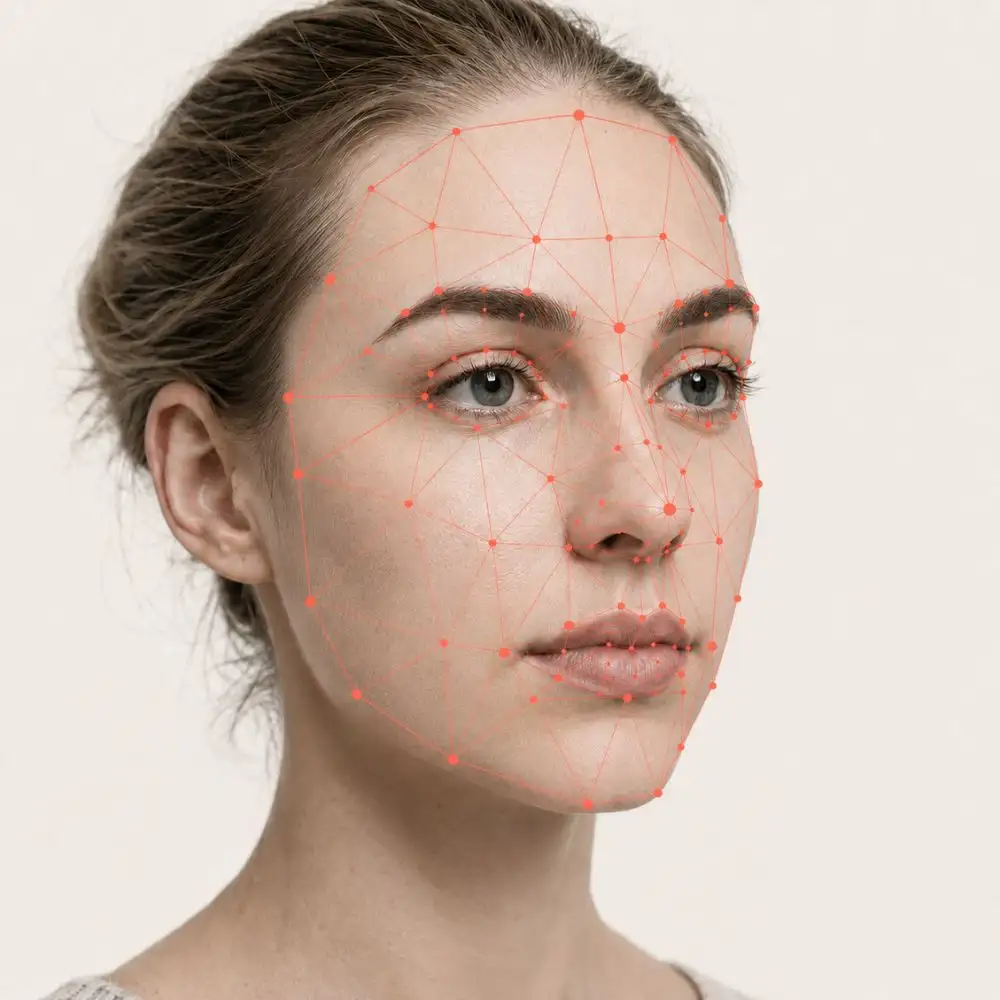
Facial emotion recognition
Browser-based emotional response at the moment of exposure.
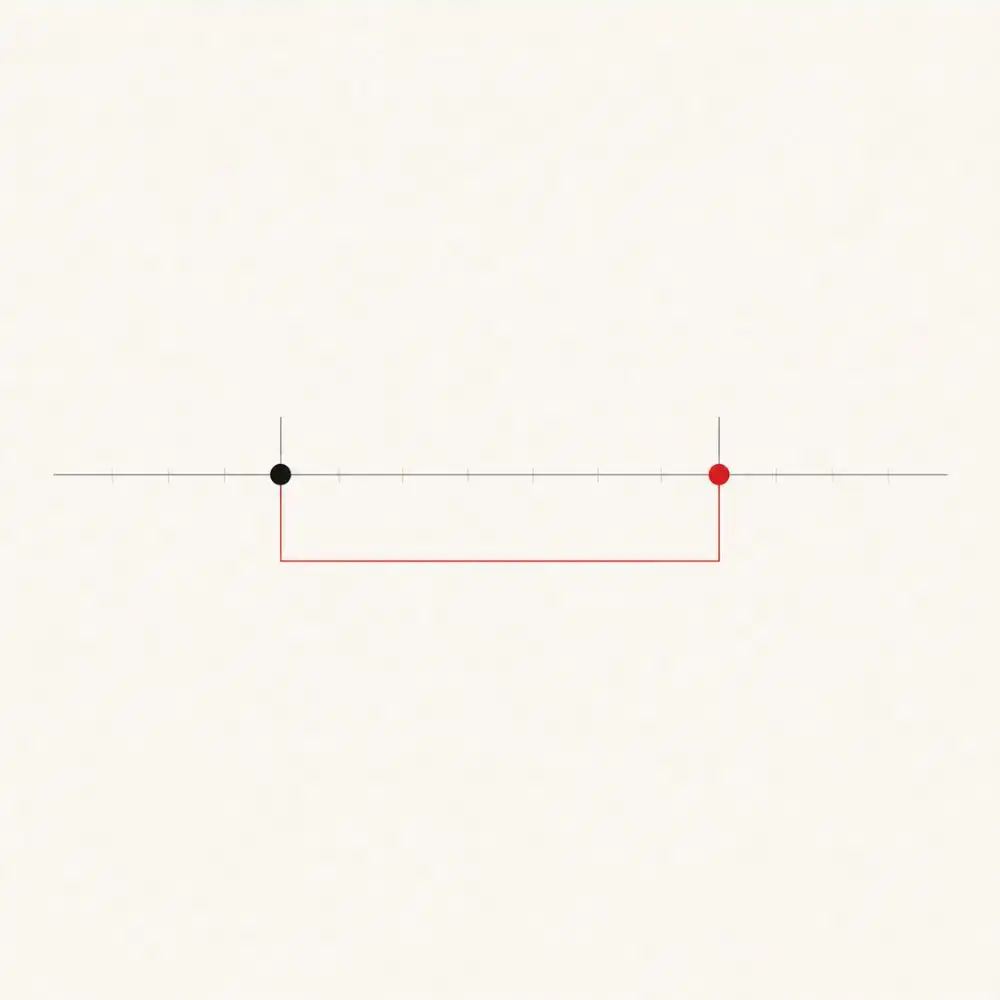
Reaction-time measurement
Browser-based timing as an index of cognitive load and implicit association.
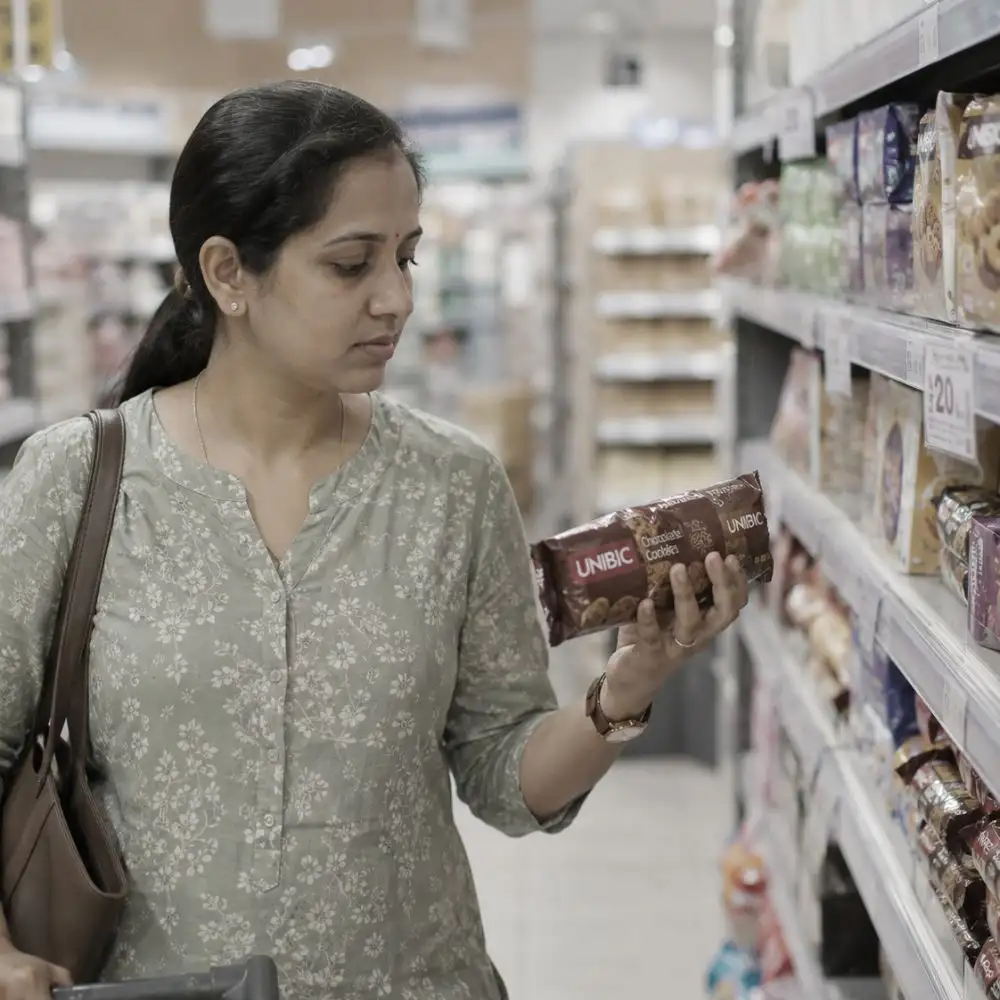
An Indian shopper benchmark
Every study adds to a dataset of how Indian shoppers behave on Indian platforms. Over time, normative benchmark data that does not exist for this market today.
Want to understand the technology in your context? Talk to us.
Let’s find out what is stopping them.


FAQs (Clarity Before Collaboration)
Clarity helps good decisions. Here are a few questions we’re often asked about how we work and what to expect.

Follow us on: Linkedin
Follow us on: Linkedin
2025 The Brain Story Privacy Policy connect@thebrainstory.com